What wetter winters and more intense rainfall mean for roof drainage, flashings, wind-driven rain and planned maintenance.
Home›Advice›How Climate Change Could Affect Scottish Roofs
Roof repairs
Climate resilience starts with the whole roof
The short answer
Scotland is expected to experience warmer, wetter winters and more intense heavy-rain events. For roofs, that increases the importance of clear drainage, sound flashings, secure coverings and early repair. Climate change does not make every leak inevitable, but it changes the conditions roofs must handle.
Start with what you can see from inside the property, ground level or a safe window. Do not climb onto the roof, lean out of a window or walk on a fragile covering. These steps give a roofer useful context without putting you at risk.
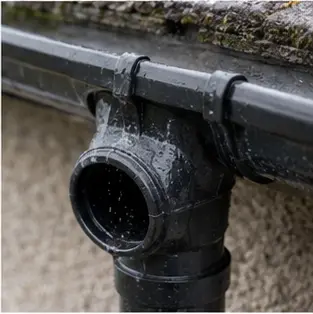
Check the complete rainwater route from roof to downpipe.
Record defects that appear only in wind-driven or intense rain.
Prioritise loose coverings, weak joins and repeated ponding.
Plan maintenance before the wettest months rather than after damage.
What current Scottish projections say
Scotland’s environment guidance expects typical winters to become milder and wetter, with more intense heavy-rainfall events in both winter and summer. The Scottish National Adaptation Plan annual report published in June 2026 says winters are projected to become wetter by up to 25 per cent.
These are long-term changes, not a forecast for every week. Cold snaps, snow and severe storms can still occur. Roof planning therefore needs to consider heavier rain while remaining ready for frost, wind and rapid weather changes.
A roof covering sheds water into valleys, gutters, outlets and downpipes. One restricted section can cause backup elsewhere. Flat-roof outlets, parapet gutters, box gutters and wall upstands are particularly sensitive when rain arrives faster than it can escape.
Property owners are responsible for pipework and guttering within their boundary. Check capacity, alignment and discharge instead of treating overflowing water as only a gutter-cleaning issue.
Driving rain can enter around loose slates, cracked tiles, open flashings and poorly finished roof-to-wall joins. A patch that works in vertical rain may fail when wind pushes water upwards or sideways. Exposed gables and roof edges often show problems first.
Repairs should follow the likely water route and consider neighbouring details. Repeated sealant around a joint can hide movement and delay a proper repair.
Keep drainage clear, secure loose covering, maintain flashings and record repeat problems. When replacing a roof, discuss exposure, fixings, ventilation, outlets and the capacity of connected rainwater goods. Adaptation is mainly about good design and maintenance, not unusual gadgets.
The strongest time to act is before water reaches the interior. OnPoint RoofCare can inspect roofing and drainage details across Central Scotland and provide a written recommendation.
Preparing for a useful roof check
Give the roofer the property type, town or postcode, the first sign you noticed and when it happens. Mention previous repairs, roof windows, solar panels, chimneys, extensions and anything that may make the roof hard to reach. Photographs taken safely from the ground or inside can help with the first conversation, but they cannot show every layer or confirm the full price.
A good roof check makes clear what can and cannot be seen. Ask which parts of the roof were checked, whether any areas could not be seen and what may only become clear when work begins. This helps the quote clearly explain what is included.
Questions worth asking before you approve work
Can the full roof drainage route handle intense rain?
Which defects appear only in driving wind?
Are outlets, valleys and gutters easy to maintain?
Do roof edges and coverings suit the property’s exposure?
Which repeated patches now need a permanent solution?
You should understand the recommended repair, how the roof will be reached and anything the quote does not include. Do not choose on price alone when two quotes cover different work.
How OnPoint RoofCare can help
OnPoint RoofCare checks roofing problems across Motherwell, Lanarkshire, Glasgow and suitable parts of Central Scotland. Tell us what you have noticed and where the property is. We can then explain whether you are likely to need a repair, a maintenance visit or a wider discussion about replacement.
No online guide can find every hidden roof problem. This guide helps you act safely, ask useful questions and understand why the right answer depends on your roof.
Talk to us about roof inspections and maintenance
Send the property area and a safe ground-level photograph if you have one. We will review what you have noticed and contact you about the appropriate next step.