Safe checks for slates, tiles, flashings, roof edges, gutters, loft moisture and storm damage before and during winter.
Home›Advice›Winter Roof Checklist for Scottish Homes
Roof repairs
Check changes after severe weather
The short answer
Before winter, look safely for loose slates or tiles, damaged flashings, blocked gutters, weak roof edges and signs of loft moisture. After severe weather, record any change from the ground. Do not climb onto a wet, icy or storm-damaged roof.
Start with what you can see from inside the property, ground level or a safe window. Do not climb onto the roof, lean out of a window or walk on a fragile covering. These steps give a roofer useful context without putting you at risk.
Check ceilings and loft areas for new stains or damp smells.
Look from ground level for moved coverings and loose edges.
Clear safely accessible gutters and downpipes before prolonged rain.
Keep the insurer and roofer details where they can be found quickly.
Autumn checks before prolonged rain
Leaves, moss and debris can restrict gutters, valleys and outlets just as rainfall becomes more frequent. Water overflowing behind a gutter can wet fascia boards, walls and roof edges. Early cleaning is simpler than tracing several connected problems during a storm.
Check from ground level or a safe window. Binoculars can help, but ladders and roof walking create more risk than useful information for a homeowner.
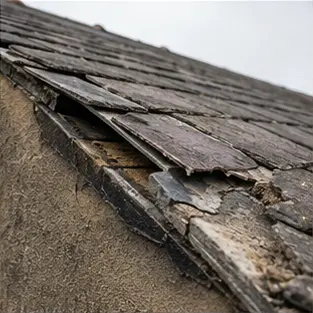
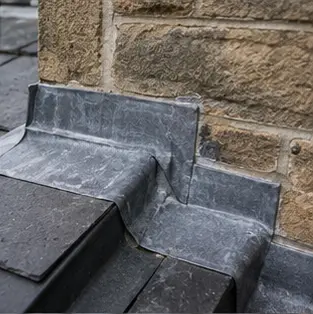
Slipped slates, cracked tiles, weak ridge mortar and lifted flashings can move further during strong wind. Damage is not always obvious from the front of the property, so note fallen fragments in gardens, paths and gutters after bad weather.
Keep people away from areas below loose material and contact a roofer. A temporary repair should only be attempted when access and conditions are safe for competent workers.
Wind and rain expose weak roof joins
Need help with roof repairs?See what the service covers and tell us about your property.View roof repairs options →
Cold roof surfaces can increase condensation when warm moist air enters a poorly ventilated loft. Wet nails, musty timber and widespread droplets may behave differently from a rain leak. Both problems can exist at once, so do not assume that adding vents or sealing one spot is the answer.
Check bathroom and kitchen extract routes, eaves ventilation and whether insulation blocks airflow. A roof inspection can help separate rainfall entry from internal moisture.
Photograph visible damage safely, note the date and contact your insurer promptly if a claim may be needed. ABI guidance says emergency work may be necessary to stop damage worsening, but homeowners should speak to the insurer first where possible and keep receipts.
Arrange a roof check that records visible facts without promising an insurance outcome. The insurer decides cover, cause and authorisation under the policy.
Preparing for a useful roof check
Give the roofer the property type, town or postcode, the first sign you noticed and when it happens. Mention previous repairs, roof windows, solar panels, chimneys, extensions and anything that may make the roof hard to reach. Photographs taken safely from the ground or inside can help with the first conversation, but they cannot show every layer or confirm the full price.
A good roof check makes clear what can and cannot be seen. Ask which parts of the roof were checked, whether any areas could not be seen and what may only become clear when work begins. This helps the quote clearly explain what is included.
Questions worth asking before you approve work
Are gutters and outlets clear before winter rain?
Have slates, tiles, ridges or flashings moved?
Does loft moisture follow rain or cold indoor conditions?
Is temporary protection needed after a storm?
What evidence does the insurer require?
You should understand the recommended repair, how the roof will be reached and anything the quote does not include. Do not choose on price alone when two quotes cover different work.
How OnPoint RoofCare can help
OnPoint RoofCare checks roofing problems across Motherwell, Lanarkshire, Glasgow and suitable parts of Central Scotland. Tell us what you have noticed and where the property is. We can then explain whether you are likely to need a repair, a maintenance visit or a wider discussion about replacement.
No online guide can find every hidden roof problem. This guide helps you act safely, ask useful questions and understand why the right answer depends on your roof.
Talk to us about roof repairs
Send the property area and a safe ground-level photograph if you have one. We will review what you have noticed and contact you about the appropriate next step.