When moss is mainly cosmetic, when it affects drainage, and why cleaning methods should suit the roof.
Home›Advice›Roof Moss: When Does It Need Attention?
Roof repairs
Assess the roof before choosing a cleaning method
The short answer
Moss needs attention when it blocks drainage, lifts or hides vulnerable details, or repeatedly fills gutters. It does not automatically mean the roof has failed. The safest method depends on the covering, its condition, access and where removed material will fall. Aggressive pressure washing can damage some roofs.
Start with what you can see from inside the property, ground level or a safe window. Do not climb onto the roof, lean out of a window or walk on a fragile covering. These steps give a roofer useful context without putting you at risk.
Check gutters and outlets from a safe position after heavy leaf fall or moss shedding.
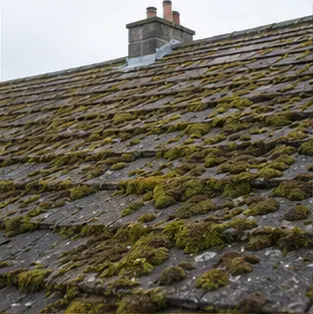
Look for thick growth at tile laps, valleys and shaded slopes.
Do not scrape from a ladder or walk on the roof yourself.
Ask for the roof condition and cleaning method to be assessed together.
Why moss grows on some roof slopes
Moss thrives where a surface stays damp and receives limited direct sun. North-facing slopes, shade from trees and sheltered roof sections often collect more growth. Rough or weathered tile surfaces can hold spores and moisture more readily than smooth, exposed areas.
Growth alone does not prove a leak. The concern increases when thick mats hold water at laps, send debris into gutters or hide cracked and displaced coverings. The pattern can also reveal drainage areas that deserve closer inspection.
Removal can be sensible when moss is entering gutters, obstructing valleys or making it difficult to inspect the roof. Clearing it may expose broken tiles or weak pointing that should be dealt with separately. Cleaning should never be presented as a substitute for repair.
The surrounding property matters. Debris must be controlled so it does not block downpipes, damage conservatory roofs or fall into neighbouring gardens. Plants, walls and paved areas may need protection depending on the method used.
A powerful jet can strip surface coatings from concrete tiles, force water beneath laps and loosen weak mortar. Walking across a fragile covering to reach every area can cause further breakage. Results may look dramatic on the day while leaving the roof more vulnerable.
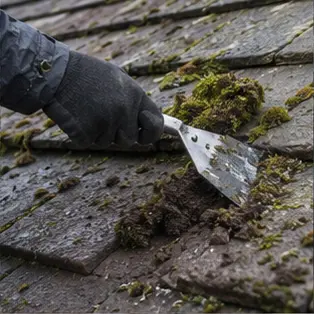
Controlled manual removal or other low-impact methods may be more suitable, but the correct choice depends on the roof. Any treatment applied afterwards should be appropriate for the product, drainage and nearby environment. Ask exactly what will be used rather than accepting a vague promise that the roof will stay clean.
Roof cleaning should include drainage and condition checks
Gutters and outlets should be kept clear during the work because loosened moss can create immediate blockages. Valleys, flashings, ridges and roof edges become easier to see as growth is removed. Visible problems should be photographed and discussed before extra work is carried out.
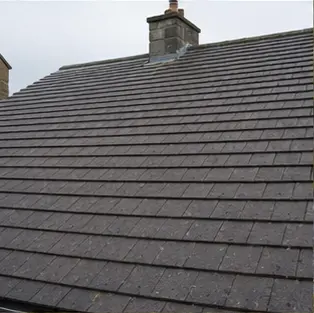
Aftercare is mainly about observation and sensible maintenance. Growth can return because shade and moisture remain. Claims that any treatment will permanently prevent moss should be treated cautiously. A clean roof still needs sound coverings, details and drainage.
Preparing for a useful roof check
Give the roofer the property type, town or postcode, the first sign you noticed and when it happens. Mention previous repairs, roof windows, solar panels, chimneys, extensions and anything that may make the roof hard to reach. Photographs taken safely from the ground or inside can help with the first conversation, but they cannot show every layer or confirm the full price.
A good roof check makes clear what can and cannot be seen. Ask which parts of the roof were checked, whether any areas could not be seen and what may only become clear when work begins. This helps the quote clearly explain what is included.
Questions worth asking before you approve work
Why is cleaning recommended for this roof?
What method will be used and why is it suitable?
How will gutters, gardens and neighbouring property be protected?
Will visible problems be reported before repairs are added?
Is the recommended treatment suitable with the roof covering?
You should understand the recommended repair, how the roof will be reached and anything the quote does not include. Do not choose on price alone when two quotes cover different work.
How OnPoint RoofCare can help
OnPoint RoofCare checks roofing problems across Motherwell, Lanarkshire, Glasgow and suitable parts of Central Scotland. Tell us what you have noticed and where the property is. We can then explain whether you are likely to need a repair, a maintenance visit or a wider discussion about replacement.
No online guide can find every hidden roof problem. This guide helps you act safely, ask useful questions and understand why the right answer depends on your roof.
Talk to us about roof cleaning and moss removal
Send the property area and a safe ground-level photograph if you have one. We will review what you have noticed and contact you about the appropriate next step.