How Should You Prepare Your Property Before Roof Work Starts?
A practical homeowner checklist for roof work: access, parking, belongings, neighbours, pets, deliveries and the first-day arrangements.
Home›Advice›How Should You Prepare Your Property Before Roof Work Starts?
New roofs
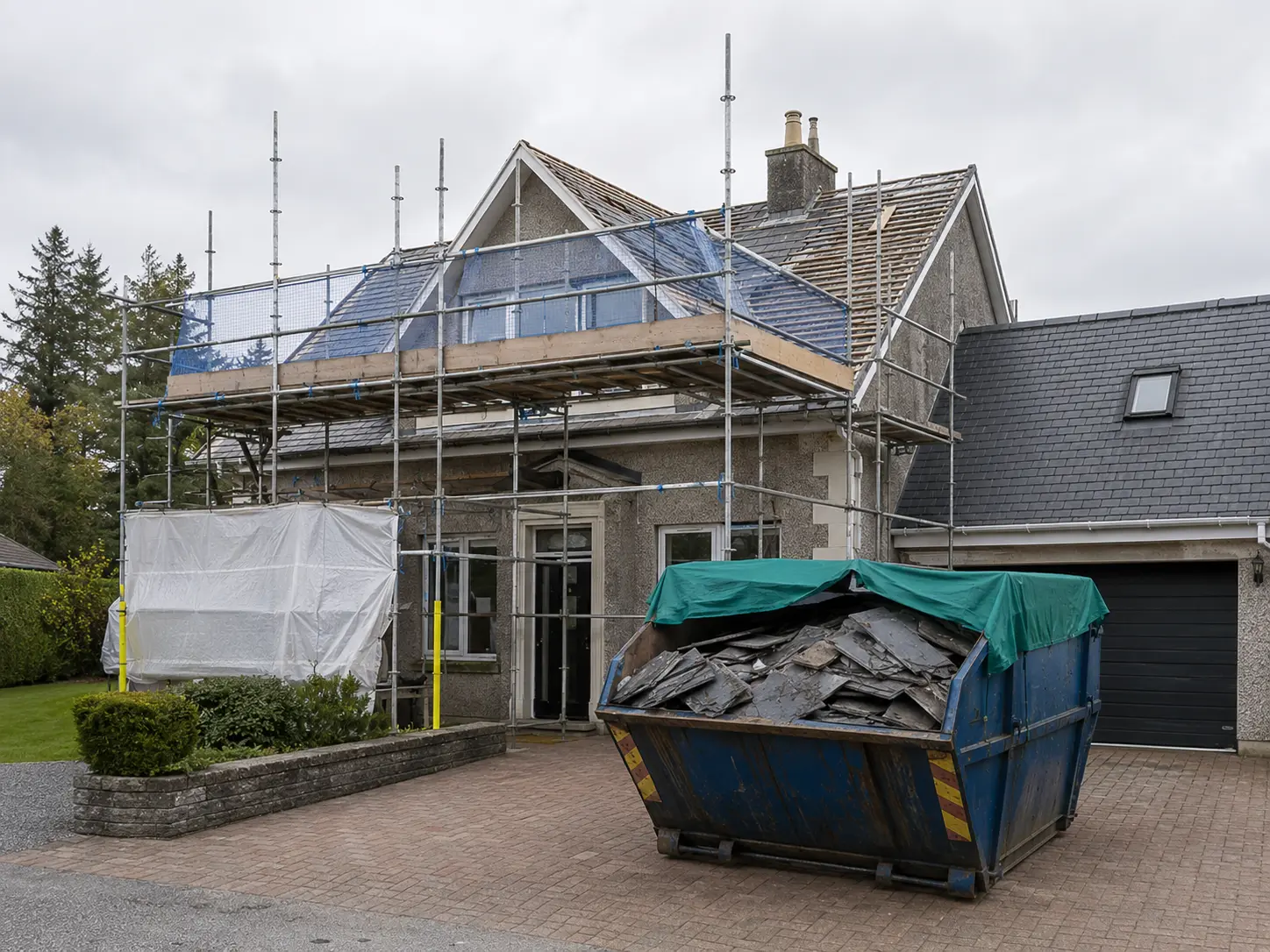
Illustrative image: agree equipment locations and usable access before delivery.
The short answer
Confirm the work and access plan, clear the agreed outside areas, protect vulnerable belongings and organise safe household routines. Ask the contractor for a property-specific preparation list. Homeowner preparation should make the site easier to manage; scaffold, roof access and work-at-height protection remain matters for competent professionals.
Start with what you can see from inside the property, ground level or a safe window. Do not climb onto the roof, lean out of a window or walk on a fragile covering. These steps give a roofer useful context without putting you at risk.
Keep the accepted quote and site contact readily available.
Agree parking, material storage, skip and scaffold locations.
Move vehicles and portable belongings from the agreed work area.
Tell the contractor about alarms, pets, access needs and delicate surfaces.
Confirm the arrangements before the first delivery
Ask for the intended start date, working hours, contact person and sequence of scaffold, materials and waste collection. Confirm who is arranging any necessary permissions and whether access through neighbouring property has actually been agreed.
Keep a written note of the work boundary, exclusions and how additional findings will be approved. Identify any promised photographs or documents for handover. These details are easier to settle before deliveries arrive than while a crew is waiting to begin or a driveway is already occupied.
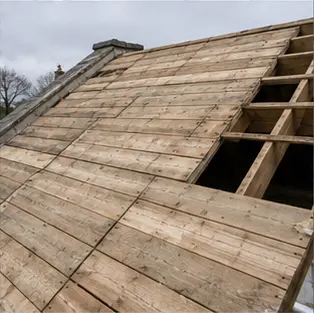
Illustrative image: discuss protection for rooms and belongings beneath the work.
Clear outside space within the agreed boundary
Move vehicles, garden furniture, toys and portable planters from the area the contractor identifies. Explain which surfaces, landscaping or fittings need protection and ask how that will be provided. Do not dismantle fixtures or move heavy items without an agreed safe approach.
Check where bins, deliveries and visitors will go while normal routes are restricted. HSE roof-work guidance highlights the need to keep people clear of areas below the work. Agree a usable entrance with the contractor and tell the household to respect barriers throughout the job.
Prepare indoor rooms and accessible loft belongings
Ask which rooms are beneath the work and whether any loft access is required. Move fragile items from vulnerable positions and protect belongings as agreed with the contractor. Only enter the loft if normal access is safe; do not step between joists or attempt roofing preparation yourself.
Point out existing stains or damage and photograph them before work, where practical. This gives both parties a useful record if a concern arises later. Tell the contractor about sensitive equipment, concealed services or alarms that might be affected, and agree who will handle any specialist isolation or adjustment.
Give neighbours practical information about the expected dates, deliveries and any agreed access. A friendly notice does not replace permission to use their land. Shared roofs, passages and driveways need explicit arrangements through the appropriate owners or factor.
Keep children and pets away from the work zone and plan how they will enter and leave the property. Arrange an alternative workspace or quiet place if necessary during disruptive stages. Tell regular visitors, carers and delivery drivers which route to use and who to contact if it is temporarily unavailable.
Use a short first-day and handover checklist
Before work starts, confirm that the right roof area and scope are understood, the access route is ready and someone can approve any genuine change. Ask how the property will be left at the end of each day and how urgent concerns should be reported.
At completion, check the agreed areas with the contractor where safe, record outstanding items and confirm waste and scaffold removal. Collect the final work description, relevant product or guarantee information and photographs. Preparation is complete when it supports a clear start, safe daily routines and an orderly return of the property to normal use.
Preparing for an inspection
Send the property postcode, a safe ground-level photograph and the history of the problem or planned work. Mention access restrictions, previous repairs and any shared parts of the building. Ask what can be established during the visit and what may remain uncertain until work begins.
Questions worth asking before you approve work
What must be moved before scaffold or materials arrive?
Which entrance will remain usable?
Who handles permissions and neighbouring access?
What documents and photographs are included at handover?
You should understand the recommended repair, how the roof will be reached and anything the quote does not include. Do not choose on price alone when two quotes cover different work.
Discuss your property with OnPoint RoofCare
For roofing enquiries in Motherwell, Lanarkshire, Glasgow and the surrounding service area, call with your postcode and a brief description of the work. We can discuss the appropriate next step and any further inspection or specialist input needed before a scope is agreed.
Talk to us about roof replacement
Send the property area and a safe ground-level photograph if you have one. We will review what you have noticed and contact you about the appropriate next step.